Laboratories change — walls should allow it
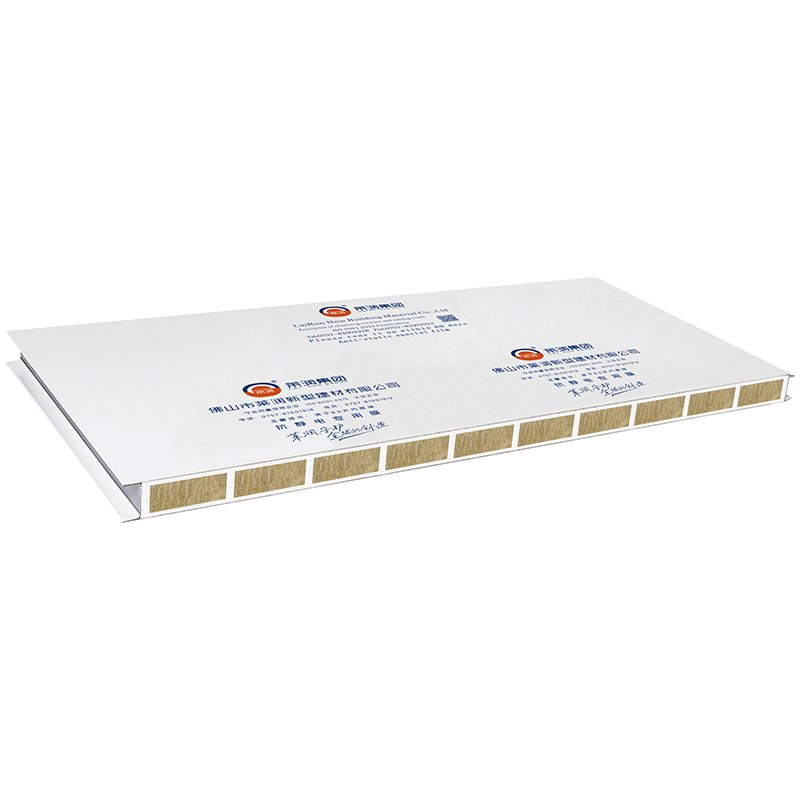
Research laboratories change more often than wards or production rooms. Benches move, equipment changes and services are rerouted, so a laboratory wall that cannot be opened, moved or reconfigured becomes a constraint on the laboratory itself. Runner-edged handmade panels support that flexibility: they can be taken down and refitted, and they can carry pre-installed conduits and pre-cut openings for laboratory services.
The company product profile focuses its handmade panel on research laboratories, hospitals and biopharmaceutical plants, and its customer guidance notes that laboratories tend towards panels described as antibacterial, mould-resistant, easy to clean and fire-resistant. That guidance is attributed as customer guidance here, not presented as a measured result for any panel.
Planning laboratory walls
Selection starts from the room, not from a single panel. List the rooms first — ward, production area or laboratory — then match each room to a wall construction, a joint type and a surface finish, and confirm the shortlist before ordering.
List laboratory rooms, preparation areas and circulation zones separately. Confirm which walls must be reconfigurable, which panels carry services or openings, and which joints and surfaces suit each zone. Then send the room list for confirmation before ordering.
One related laboratory project is referenced here in a single sentence, as required: a large research laboratory project that used a sulfur-oxygen-magnesium panel is covered as a full case page on the material-specialist site for that core material, and this site does not repeat its full case page. The laboratory case page on this site is the university phase-two project, which is listed under Cases.
Send your wall layout and room list — confirm panel type, joint and colour for each ward, production or laboratory zone before you order.
Send a wall-system enquiryPlease confirm minimum order quantity and lead time before ordering.